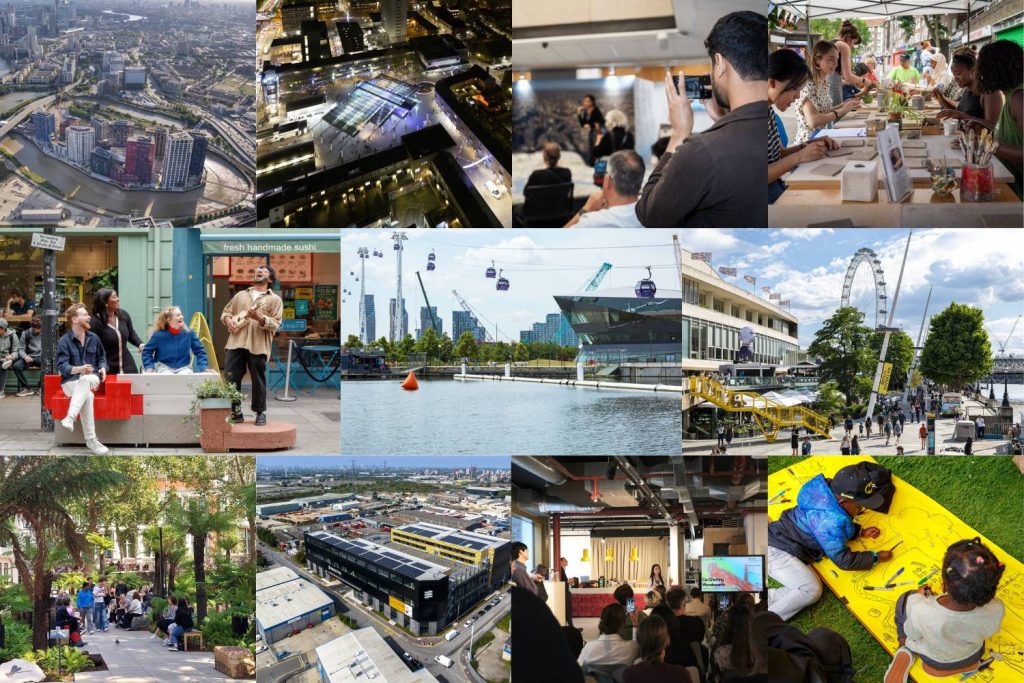
LFA2026 is fast rolling around, and each year we share details on our Neighbourhoods who come together to shape our festival and bring new levels of creativity, artistry, and skill into the festival Programme. These areas form the heart of our festival, inviting visitors to areas of London undiscovered, whether through exclusive access via special events, or through the untrodden paths hidden in plain sight.
Each individual area comes together to create a unified London, while highlighting the distinctiveness of each corner of our city, bringing to the fore the talent and skills within each Neighbourhood.
These Neighbourhoods allow visitors to explore new pockets of London, discover hidden gems and explore familiar places through a new lens. For this reason, we’re very excited to introduce our LFA2026 Neighbourhoods:
Canning Town and Leamouth
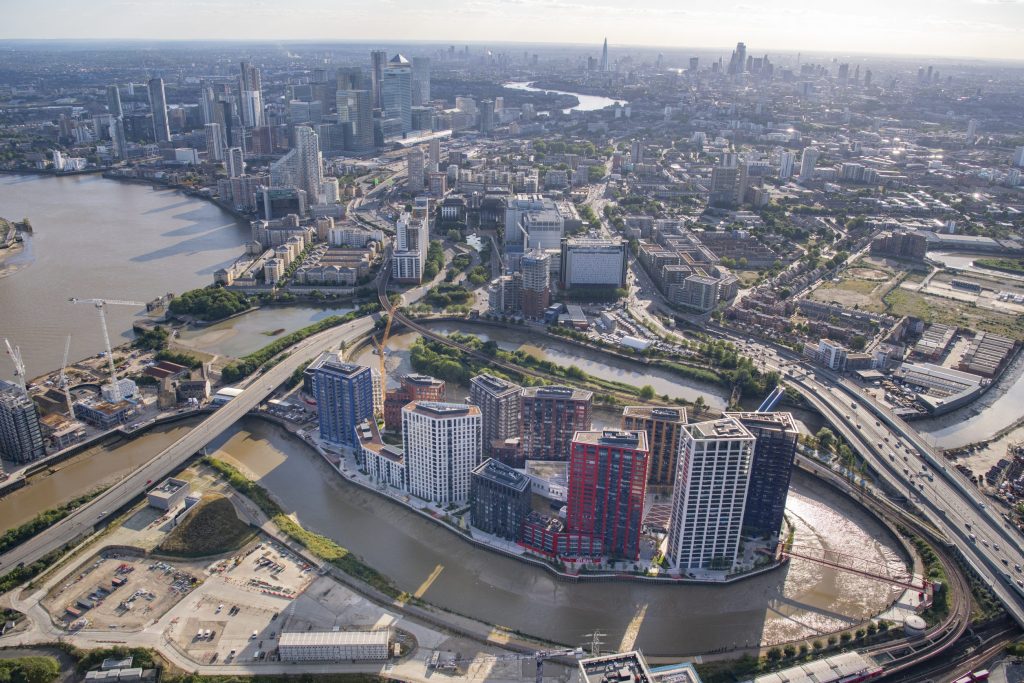
Canning Town and Leamouth have undergone significant development and change in recent years. The Neighbourhood is emerging evermore as a cultural and creative destination with the opening of the Newham Heritage Centre, art installations along the river Lea as part of The Line Art Trail, and of course with City Island playing host to the English National Ballet, and soon the Royal Academy of Music.
Alongside major new developments in the area, including City Island and Goodluck Hope, delivering thousands of new homes, growth is expected to continue over the coming years. There’s a concerted effort within the Neighbourhood to centre the feeling of Belonging for communities new and old. As an LFA Neighbourhood, this offers an opportunity for the area to come together and shine through creative endeavours to bring together communities and centre Belonging through them all.
“This neighbourhood is a remarkable example of old meeting new in London – where a proud industrial heritage has helped shape bold and exciting contemporary architecture. The area has undergone significant transformation in recent years, and we’re proud that our own projects have played a small part in that journey. With much more to come, we’re looking forward to a Festival that celebrates the theme of ‘belonging’ and explores how architecture can bring people together this June.” – Simon Ryan, Developments Director, Ballymore
Supported by: Ballymore, London Borough of Newham, London Borough of Tower Hamlets, and Places for London
See more on the Canning Town and Leamouth Neighbourhood
Chrisp Street
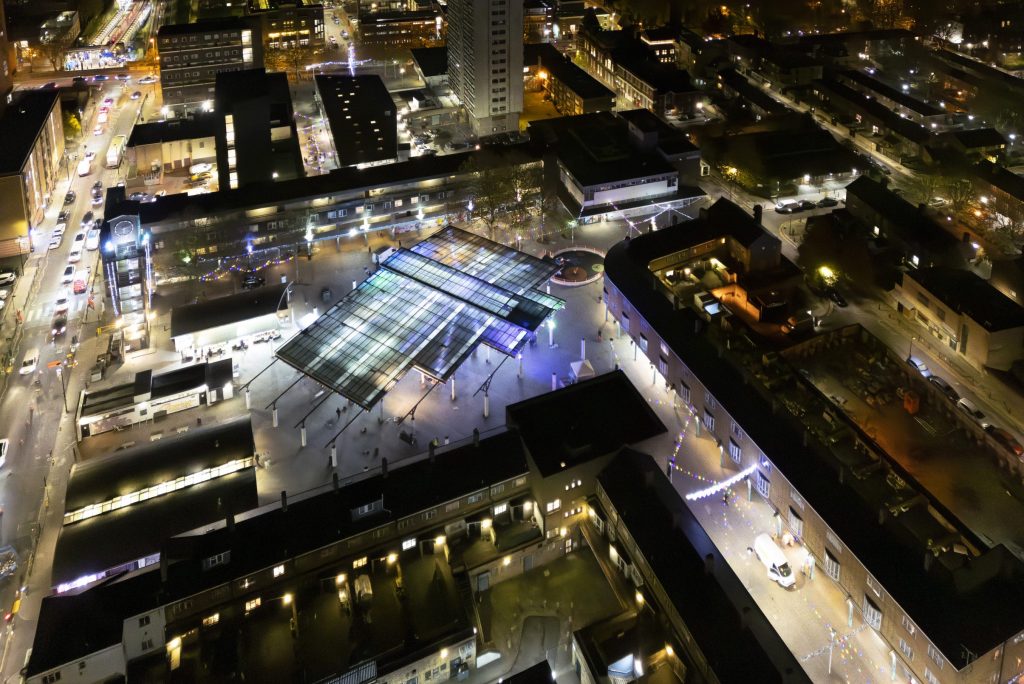
Located in the heart of Poplar, Chrisp Street joins the festival for the very first tine, tying in with the 75th anniversary of the Festival of Britain. The market is the UK’s first purpose built pedestrian shopping centre, rebuilt from scratch in 1951 for the Festival of Britain, the market now hosts over 150 traders, the iconic landmark listed Clock Tower, iconic street art much more, exemplifying this year’s theme of Belonging. Chrisp Street will soon be undergoing a redevelopment to create a new vision for the area, centring homes, local businesses and the community that contributes to the face of the area delivering a comprehensive residential-led mixed use scheme.
“Becoming a Festival Neighbourhood in this years’ London Festival of Architecture seems to be the perfect fit as we celebrate the 75th Anniversary of the Festival of Britain, an event that was of extreme significance to Chrisp Street and the area. As a diverse, culturally-rich community, we are proud to see Chrisp Street participate to showcase how special this historically significant area of East End London is to the wider UK population.” – Alex Taylor, Telford Living
Supported by: Chrisp Street
See more on the Chrisp Street Neighbourhood
City of London
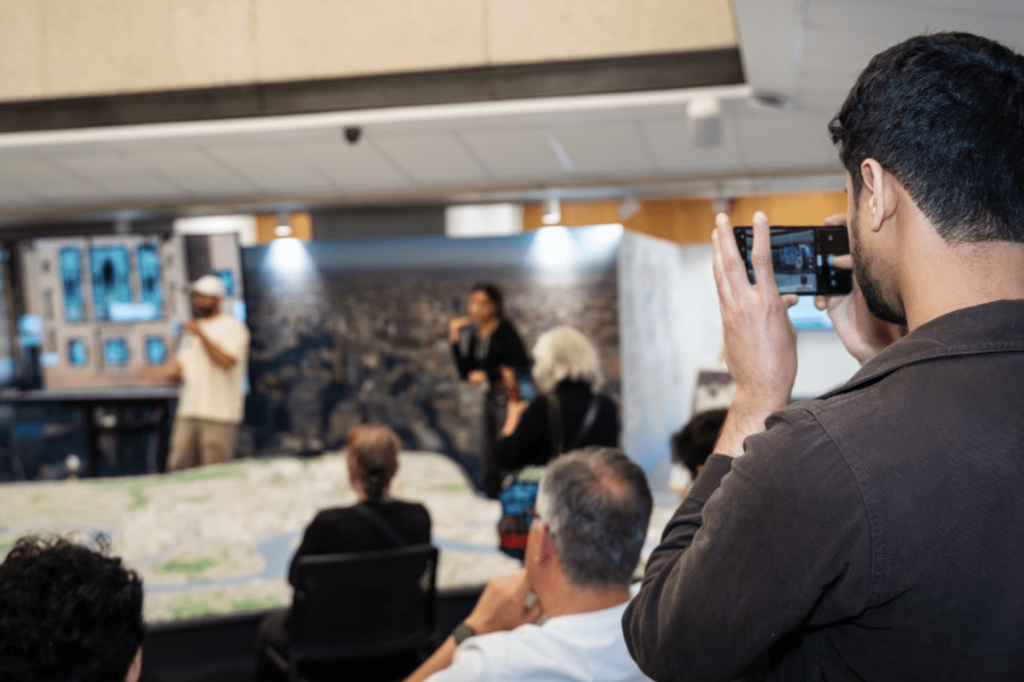
Home to a mix of architecture from all eras, the City of London is a place of constant evolution. Since its inception, people have come from all over the world to connect, collaborate and innovate, combining an ambitious mindset for progress and growth with a strong sense of social purpose. From some of the tallest skyscrapers and roof gardens in the country to ruins dating back over 2000 years, the City of London is a unique neighbourhood of built contrasts. Where medieval churches sit nestled next to towering glass spires and sci-fi style pipes meet historic London stone.
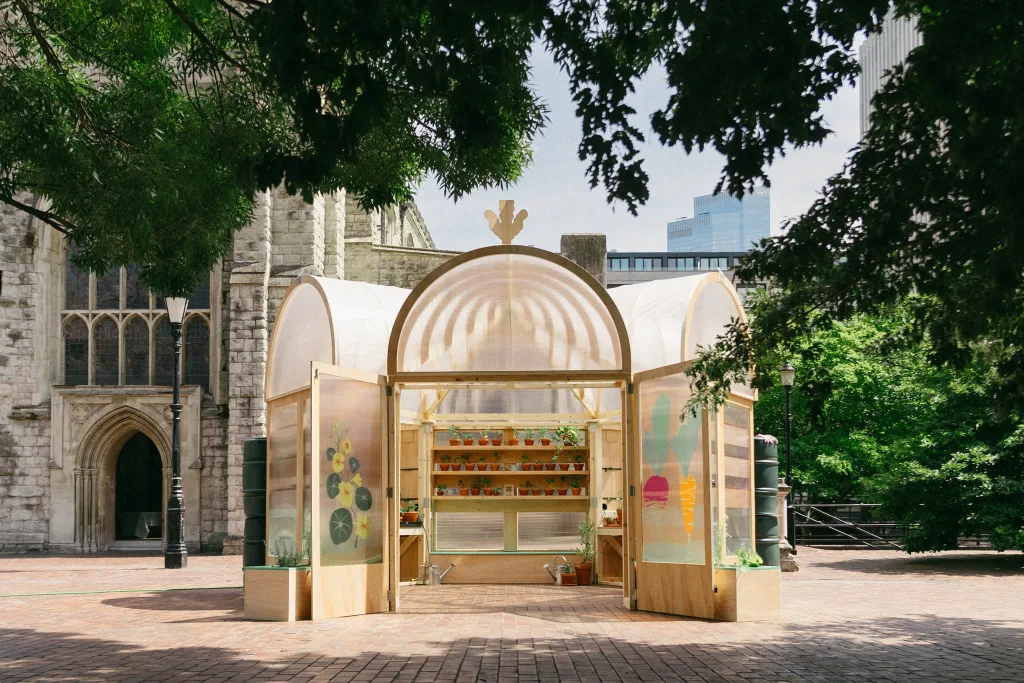
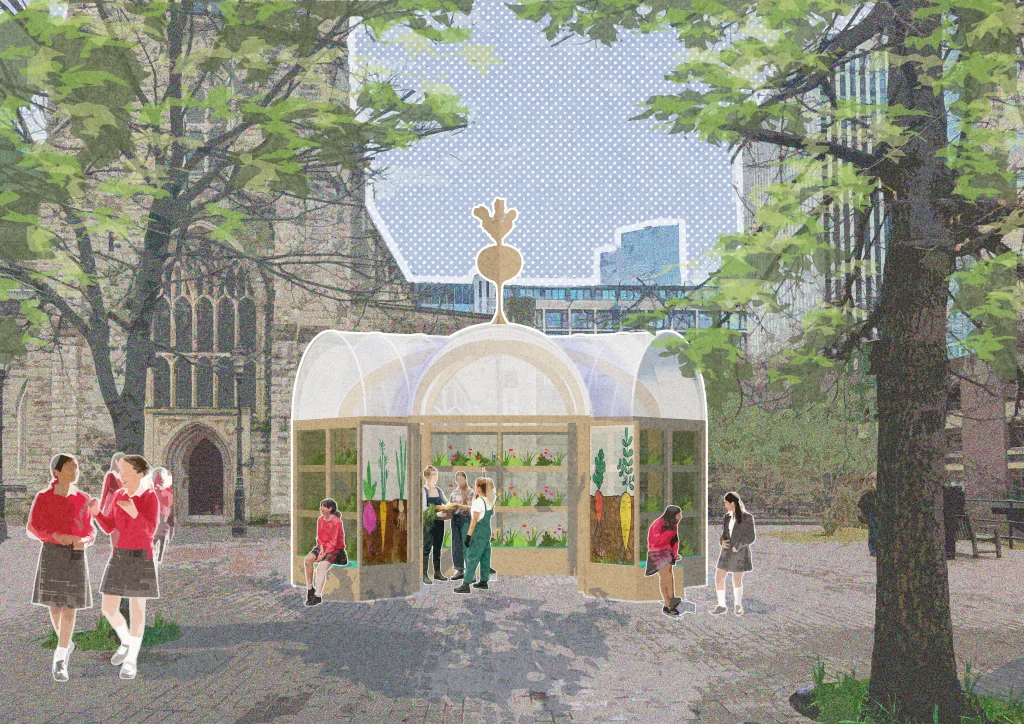
The London Centre – home to NLA: London’s Built Environment community – will form a key hub for the Neighbourhood, alongside the nearby winning projects of the Seeds in the City and Place to Belong design competitions, reimagining what it means to belong in and to the City of London.
“The City and its built environment is an asset to London, the UK and the world and is currently experiencing a real and exciting period of renaissance. In the decade ahead, the City aims to be the destination of choice where people live, work, learn and explore. Attracting businesses, workers, students and visitors will ensure the City of London continues to play a leading role in driving London’s and the UK’s economy. On behalf of the City of London Corporation, we look forward to collaborating with the LFA to showcase the diverse voices that contribute to making the City an inclusive, welcoming and prosperous destination for all.” – Chris Hayward, Policy Chairman, City of London Corporation
Supported by: The City of London Corporation’s Destination City Partnership Fund
See more on the City of London Neighbourhood
Colindale and Edgeware
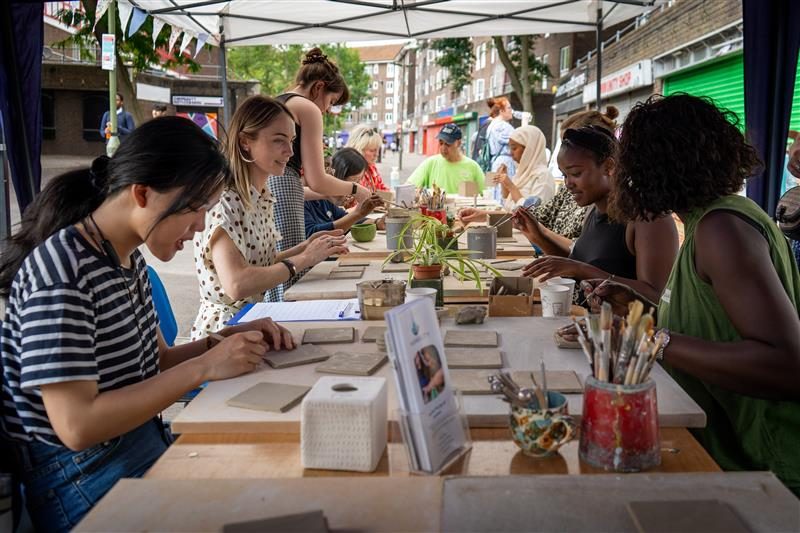
Colindale and Edgware are neighbourhoods shaped by both long-standing communities and new arrivals, reflecting Barnet’s evolving identity as a borough of culture, creativity, and connection. Colindale is evolving as a cultural hub, with strong community-led activity, the growing creative ecosystem of Cultivate Colindale, historic links to the borough’s aviation history rooted at the RAF Museum London, and a network of local artists and makers contributing to a distinctive and dynamic cultural life. In Edgware, regeneration of the town centre reflects a shared ambition to create high-quality public space, a civic heart designed for gathering, exchange, and a strengthened sense of belonging.
Together, Colindale and Edgware invite London-wide audiences to discover the borough’s evolving cultural landscape and its commitment to long-term stewardship and high-quality place-making.
“Barnet has seen the powerful impact the LFA can have in strengthening community connection and celebrating local creativity. Over the past three years, the festival has acted as a catalyst for cultural collaboration across the borough, engaging thousands of residents and supporting new voices. In 2026, alongside our delivery of Light + Flight, an ambitious Cultural Impact Award programme, focusing on Colindale and Edgware offers an opportunity to explore how architecture, public space, and culture shape belonging. We are proud to work with partners to highlight these neighbourhoods.” – Cllr Anne Clarke, Barnet Council’s Cabinet Member for Culture, Leisure, Arts & Sport
Supported by: Ballymore and The London Borough of Barnet
See more on the Colindale and Edgware Neighbourhood
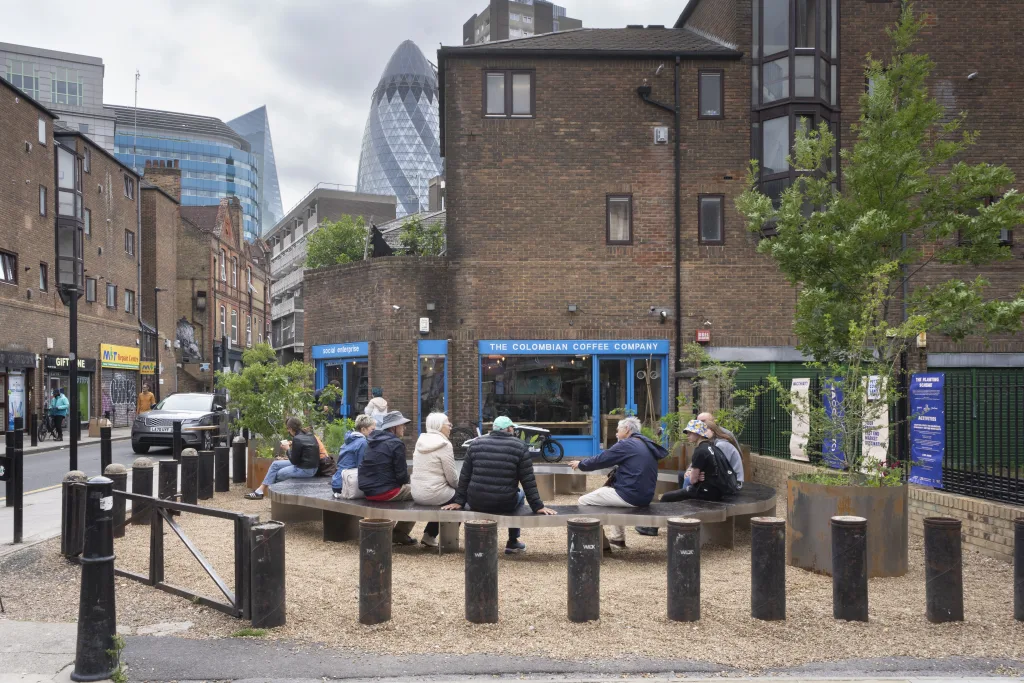
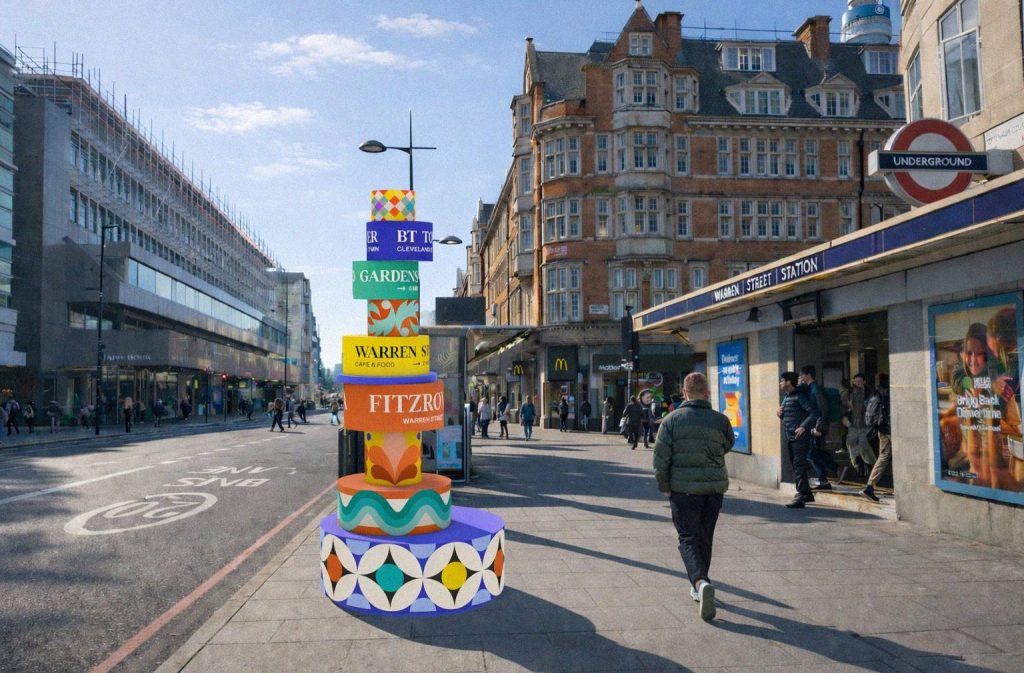
Fitzrovia
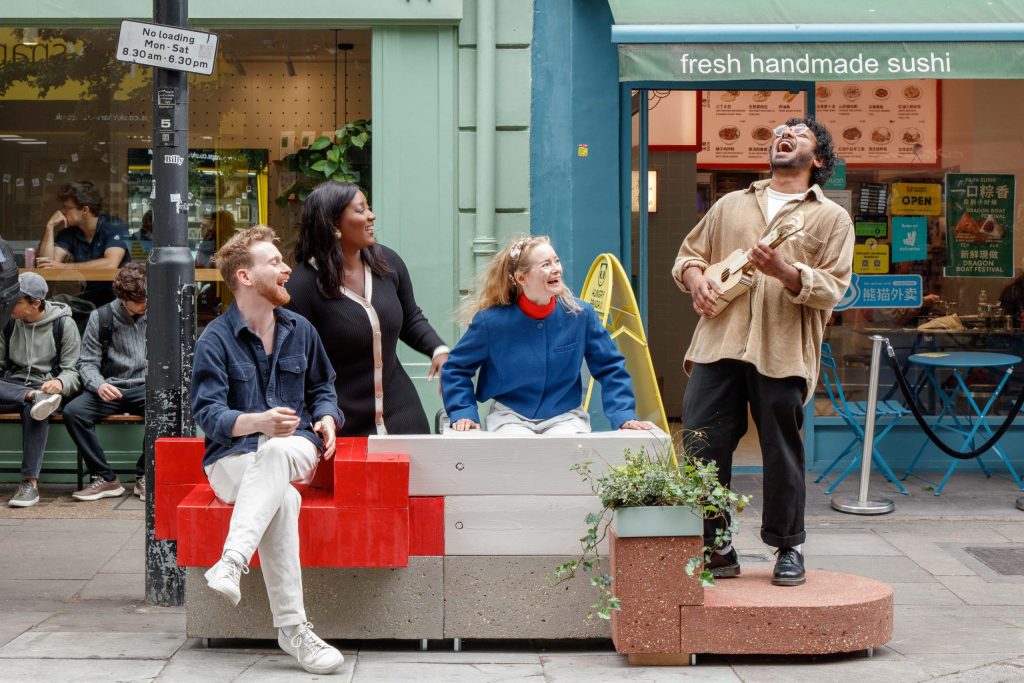
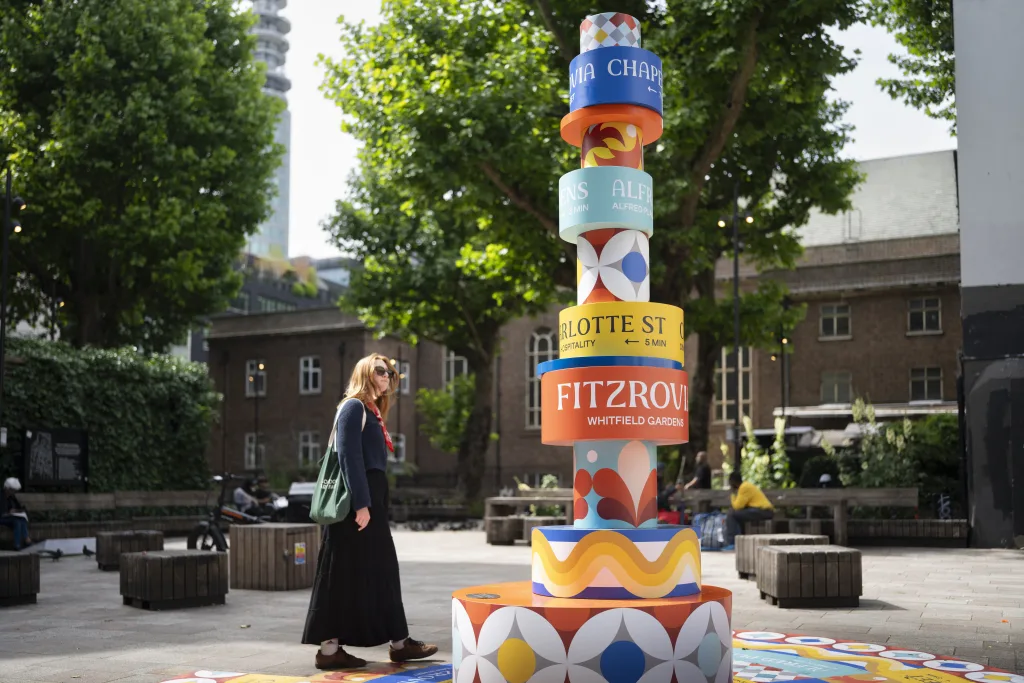
Fitzrovia is a neighbourhood where culture, collaboration, and community naturally come together, making it a perfect reflection of this year’s theme of Belonging. Long celebrated as London’s bohemian heart, it attracts a diverse mix of artists, designers, architects, and independent thinkers. World-renowned institutions like RIBA and the Architectural Association sit alongside leading firms such as Arup, MAKE, and Derwent, as well as a thriving network of emerging practices. Built on a rich cultural and professional heritage, the area draws people seeking inspiration, connection, and collaboration. From its lively streets and cafés to studios and public spaces, Fitzrovia offers countless opportunities for workers, residents, and visitors to engage, exchange ideas and experience a genuine sense of community.
“Now in the third year of our four-year partnership with the London Festival of Architecture, Fitzrovia continues to be a natural festival destination, as the spiritual home of architecture and the built environment as well as a celebrated hub of creativity. With its rich historical roots and a vibrant mix of established and emerging creatives, the area is an inspiring place to work, visit and connect. Highlighting Fitzrovia during the festival reinforces the importance of places that bring people together and foster a true sense of belonging.” – Andrew Munk, CEO, The Fitzrovia Partnership
Supported by: The Fitzrovia Partnership
See more on the Fitzrovia Neighbourhood
Royal Victoria
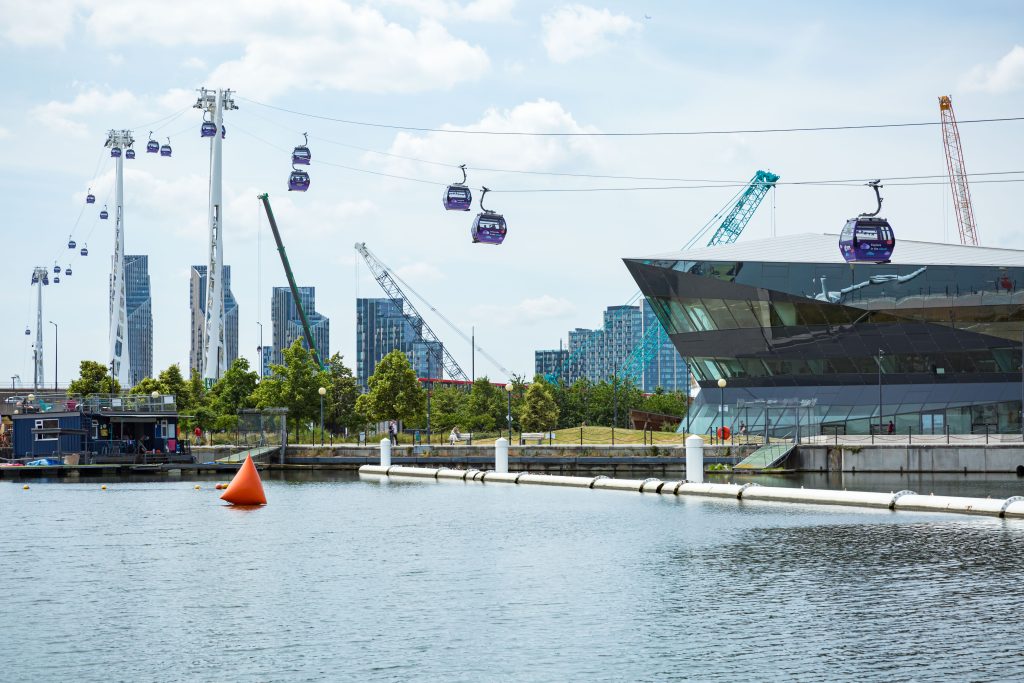
Through LFA2026, Royal Victoria will explore how heritage, icons and emerging businesses, public space and cultural activity can support belonging, ownership and identity in a rapidly evolving urban landscape with communities at its heart. Set within the Royal Docks, Royal Victoria is a place defined by movement, collaboration and connection — shaped by its maritime history and continually reimagined by the people who live, work and create here today. New homes, pop-ups and street art sit alongside City Hall, the Cable Car and Excel. Festivals like At the Docks and Royal Docks Originals bring vibrancy against a backdrop of historic landmarks, waterways and thriving community hubs.
“Royal Victoria is London’s living waterfront. From the iconic docks cranes to waterfront walks to paths and cafés, this is a neighbourhood where energy, ideas and stories flow, matching the pace of change as the regeneration of the area picks up pace. LFA2026 gives us the chance to celebrate what makes Royal Victoria special, where the past meets the future to bring people together and support the local businesses and communities that make the area thrive.” – Dan Bridge, Programme Director, Royal Docks Team
Supported by: The Royal Docks Team, London Borough of Newham, and The Mayor of London.
See more on the Royal Victoria Neighbourhood
South Bank and Waterloo
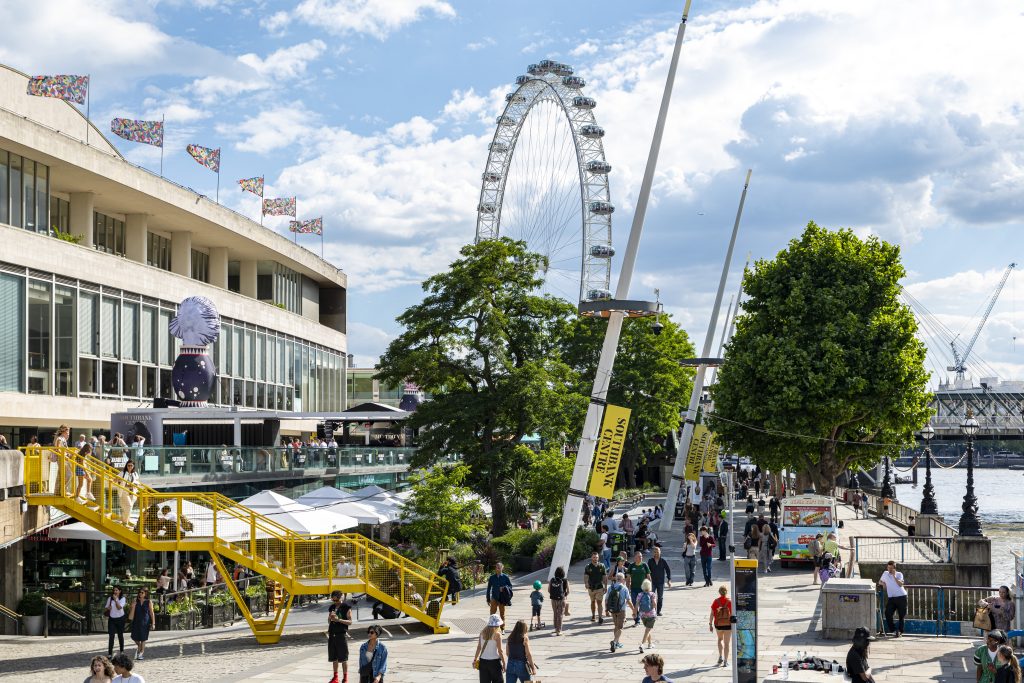
South Bank and Waterloo is entering a pivotal era of transformation, shaped by a long history of culture, creativity, and change. 2026 marks the 75th anniversary of the Festival of Britain – a landmark moment that helped redefine it as a place for new ideas, public life, and cultural expression. As an international visitor destination with world-renowned cultural venues and one of the busiest transport hubs in the country, this area houses global businesses, research centres and healthcare excellence. With projects such as the Waterloo Station Masterplan and 72 Upper Ground , LFA2026 will be a great time to celebrate the areas legacy and explore creativity, innovation and design can continue to foster a strong sense of belonging and shape the area’s future.
“LFA2026 is an opportunity to act on the commitments within the Lambeth Growth Plan – our shared blueprint for delivering inclusive, sustainable growth across Lambeth over the next 10 years. We are committed to growing Lambeth’s reputation as a visitor destination, while making sure local people feel the benefit. Through our programme, we will explore how our communities shape our neighbourhoods, and vice versa, as we celebrate the story of South Bank and Waterloo.” – Cllr Claire Holland, Leader of Lambeth Council
Supported by: London Borough of Lambeth and South Bank BID
See more on the South Bank and Waterloo Neighbourhood
South Kensington and High Street Kensington
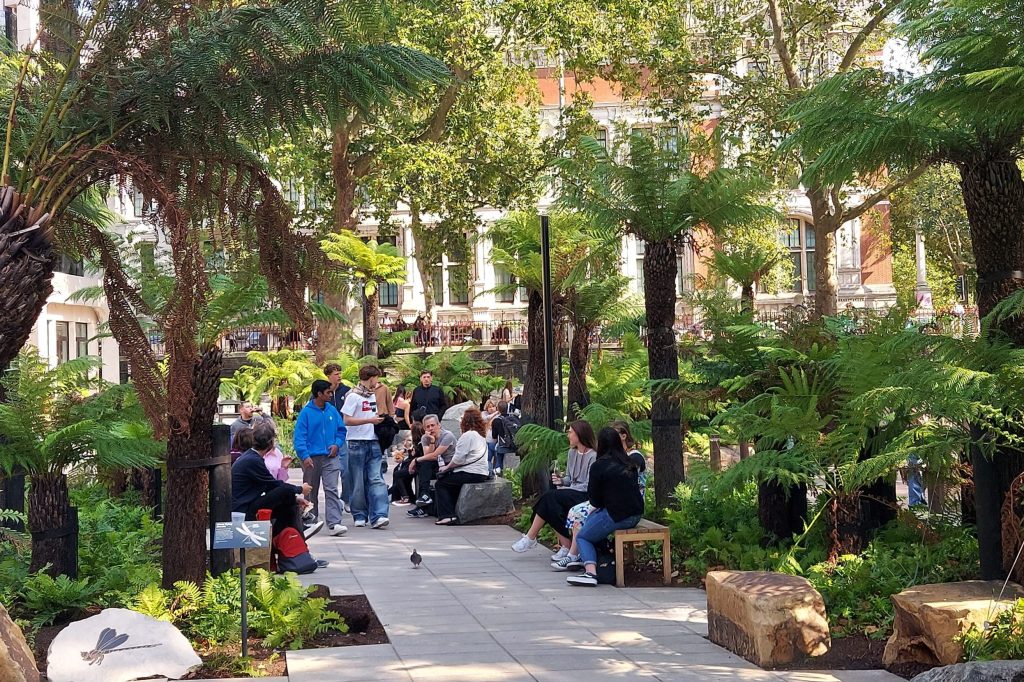
As the world’s first planned cultural quarter, this area houses some of the most globally renowned institutions including the V&S South Kensington, Natural History Museum and more and houses a flourishing scientific, artistic and academic community. This unique combination acts as an inspirational meeting point for arts and sciences, playing host to historical architecture, green spaces and numerous cultural offerings, as well as the local neighbourhood community which live there. Collaboration sits at the heart of the local area, exemplified by initiatives such as the annual Great Exhibition Road Festival and active contributions towards tackling the climate and biodiversity crisis, Belonging sits naturally throughout this local footprint.
“We’re proud to be one of the LFA2026 neighbourhoods in a year that marks 175 years since the Great Exhibition of 1851, the foundation of the world’s first cultural quarter. Our mission is to connect people, organisations, and ideas to make this district a better place to live, visit, study, and work.” – Dan Feeney (Director, Discover South Kensington) & Giles Semper (Executive Director, Opportunity Kensington)
Supported by: Discover South Kensington and Opportunity Kensington
See more on the South Kensington and High Street Kensington Neighbourhood
Thames Road
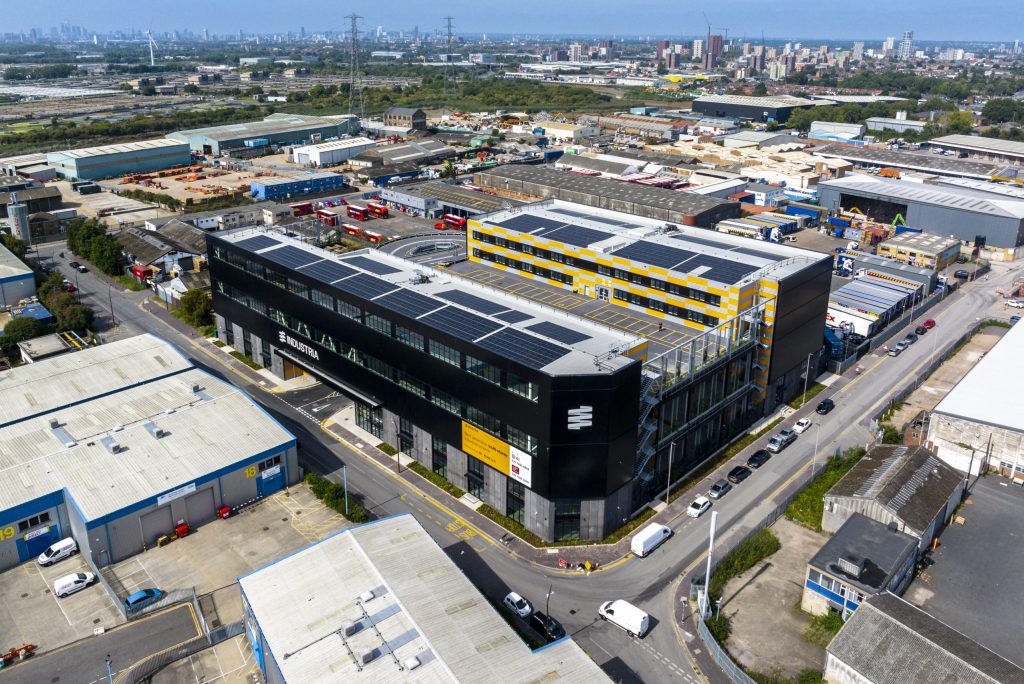
Whilst predominantly a place for business today, the Thames Road area is transforming into a mixed use neighbourhood for South Barking, delivering thousands of news homes alongside pioneering new projects such as nearby Industria and Crossness Yard. This shift from a single purpose space into a place of living, creating and belonging form the perfect area for an LFA Neighbourhood, acting as a space where Beloinging is designed in real time, and where imaginative placemaking really matters.
“Be First chose to make Thames Road an LFA2026 Neighbourhood to celebrate what the area is becoming: a district where industry, creativity and community can thrive side by side. The Festival is an opportunity to shift perceptions of Thames Road and open it to new voices, ideas and experiences, while helping knit it more closely into surrounding neighbourhoods. It’s a chance to show how this evolving place can inspire pride, connection and a sense of belonging.” – Caroline Harper, Managing Director at Be First
Supported by: Be First
See more on the Thames Road Neighbourhood
Wandsworth Town and the Wandle Delta
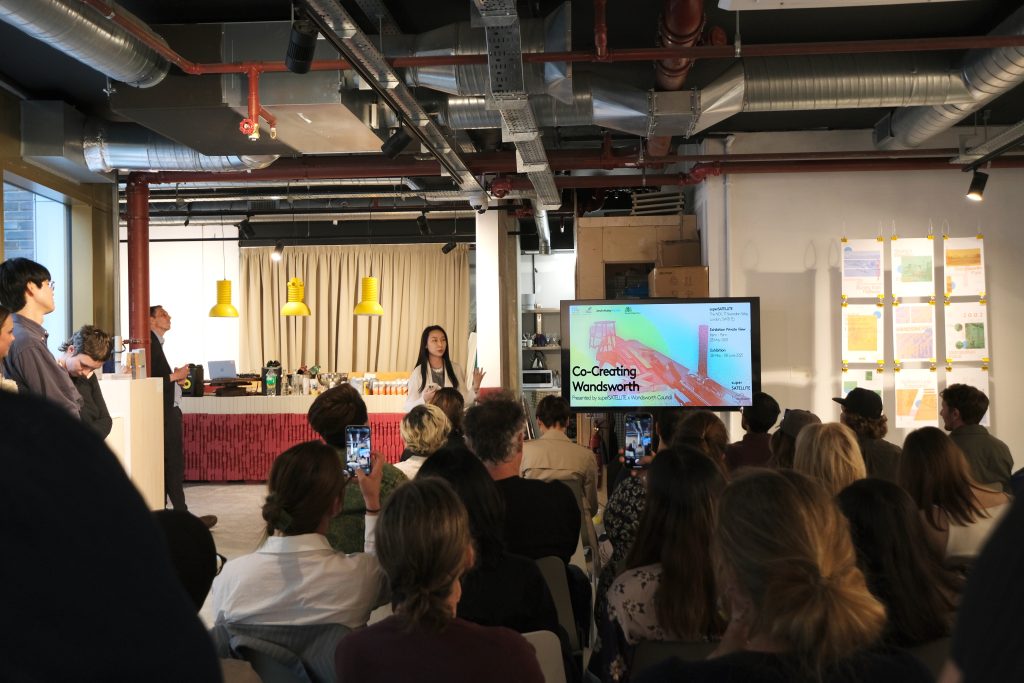
Standing on the edge of transformation, this vibrant area is part of the strategically important Wandsworth Growth Corridor linking to central London via Clapham Junction and Nine Elms to deliver much needed homes, infrastructure and economic growth. Close to the Thames and Wandle rivers, this place has a rich industrial history within London’s story. We’re exploring exciting place-shaping opportunities to improve access to these incredible assets and develop the identity of the area as its geography changes. The future of Wandsworth Town belongs to everyone who lives, works or visits here. Rooted in community voices, Wandsworth Town’s LFA Festival programme will celebrate and strengthen connections between established and new residents, cultural organisations, local businesses and partners – and help forge a collective ambition for the area’s future.
“This year we are delighted to shine a light on Wandsworth Town centre – a vibrant, energetic and growing neighbourhood which plays a key strategic role in Wandsworth’s future growth plans. What was once an industrial powerhouse with water mills and gasholders is now a thriving town centre with busy high streets, cafes and pubs. We’re looking forward to welcoming London Festival of Architecture visitors to experience our hidden gem near the river.” – Kemi Akinola, Wandsworth Council Deputy Leader
Supported by: London Borough of Wandsworth
See more on the Wandsworth Town and the Wandle Delta Neighbourhood
Wood Green and Alexandra Palace
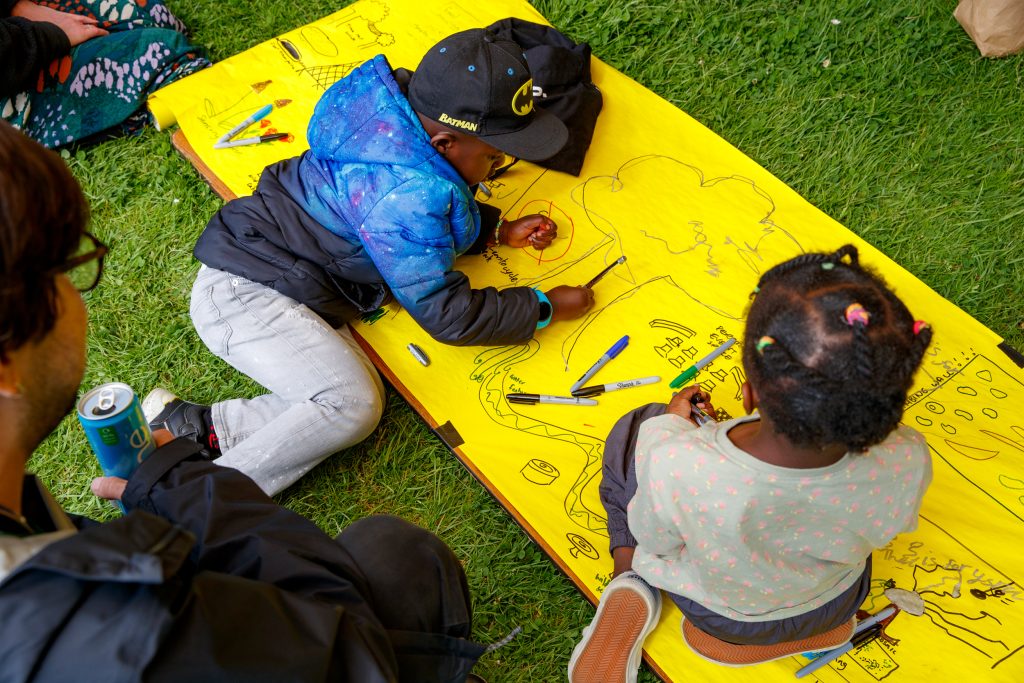
At a time of uncertainty and change, placemaking, arts and heritage play a vital role in creating opportunities, local pride and a shared sense of belonging for those who live, work and spend time in Wood Green and across the wider borough. With London Borough of Culture 2027 on the horizon, this is a timely opportunity to build on the strength of civic and community spirit that has already played an intrinsic role in shaping Wood Green’s future.
In parallel, Alexandra Palace is entering a new decade of transformation, placing people front and centre, strengthening the Charity’s role as a convener of popular culture, deepening connections with the community and growing support for a much-loved local amenity and cultural landmark.
“We are delighted to be collaborating with Haringey Council again at such a pivotal time. The London Festival of Architecture gives us a platform to demonstrate and elevate how collaboration with our local community groups, residents and stakeholders can deliver meaningful change and create long-lasting, deep-rooted connections, where people feel safe, proud, listened-to and supported.” – Mark Civil, Head of Creative Learning, Alexandra Park and Palace
Supported by: Haringey Council and Alexandra Park and Palace Charitable Trust.
See more on the Wood Green and Alexandra Palace Neighbourhood
We’re excited to introduce these areas to those who live, work and visit London across the month of June, providing space and opportunity to learn, create and develop at the heart of the world’s best city for architecture and the built environment.
You can see more on our Neighbourhoods page here.