London Festival of ARchitecture History - 2006 - Change

Festival History

2006 Change

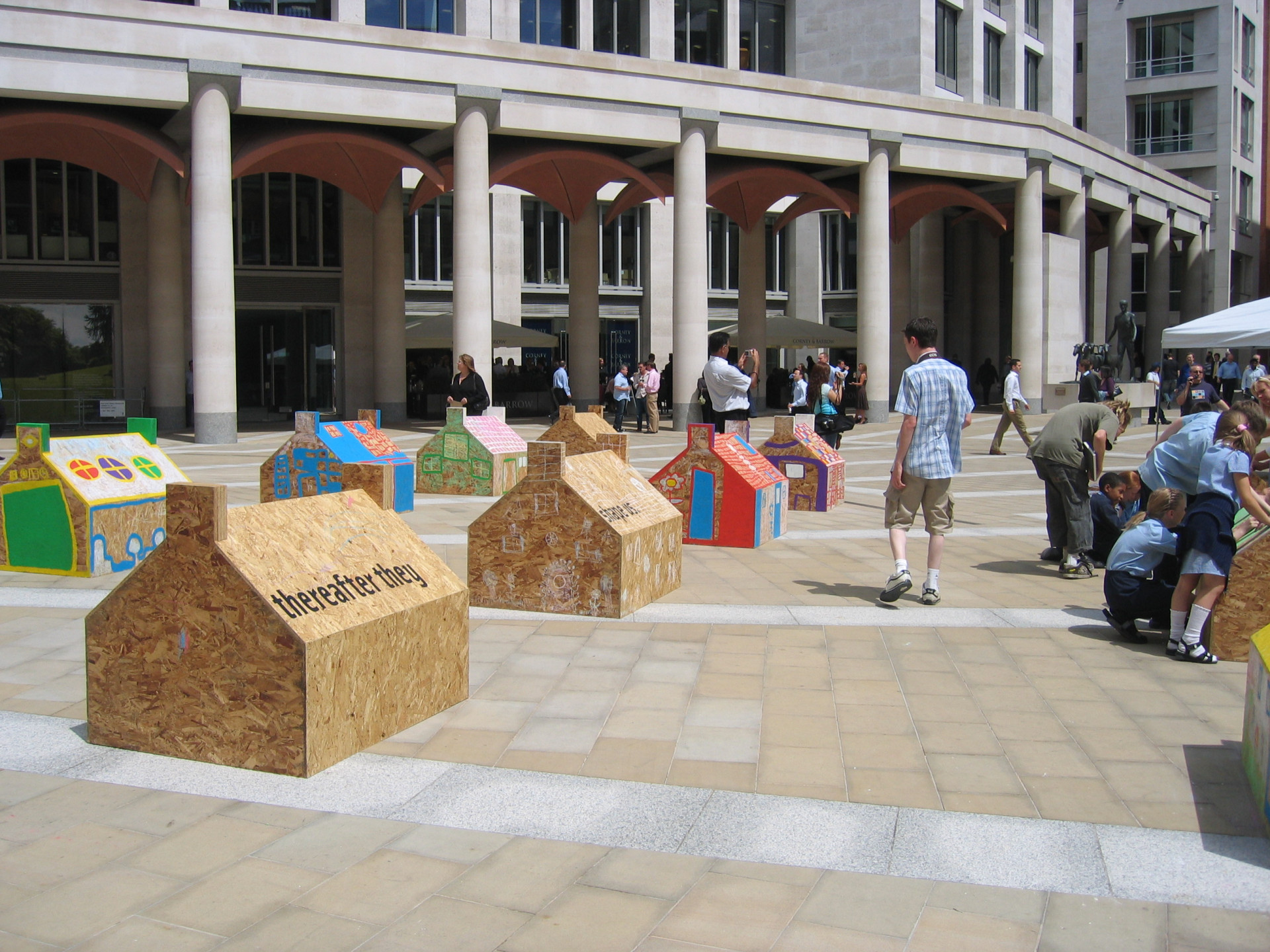
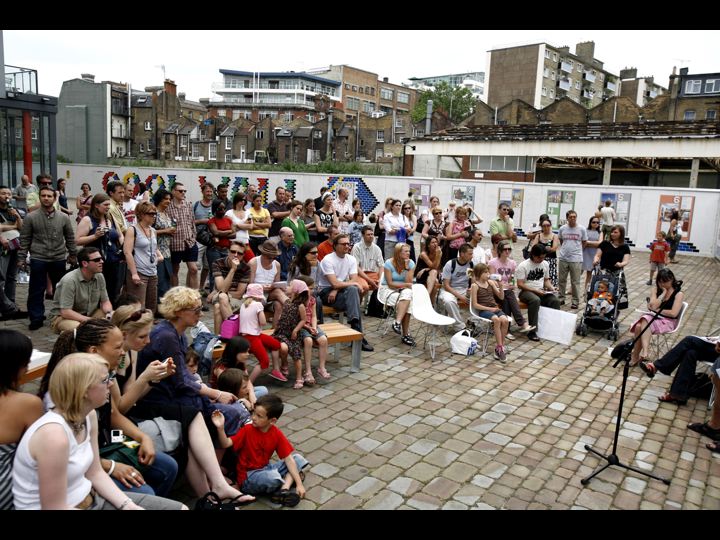
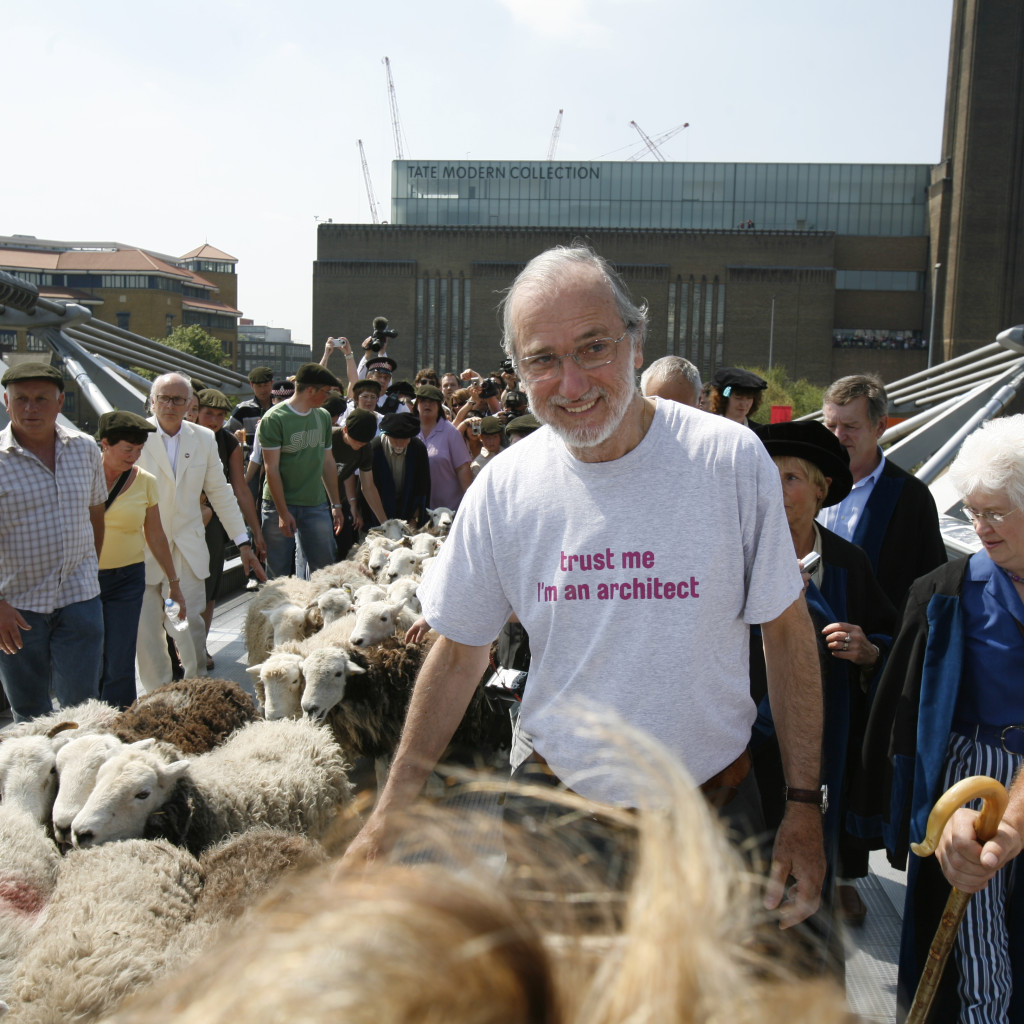
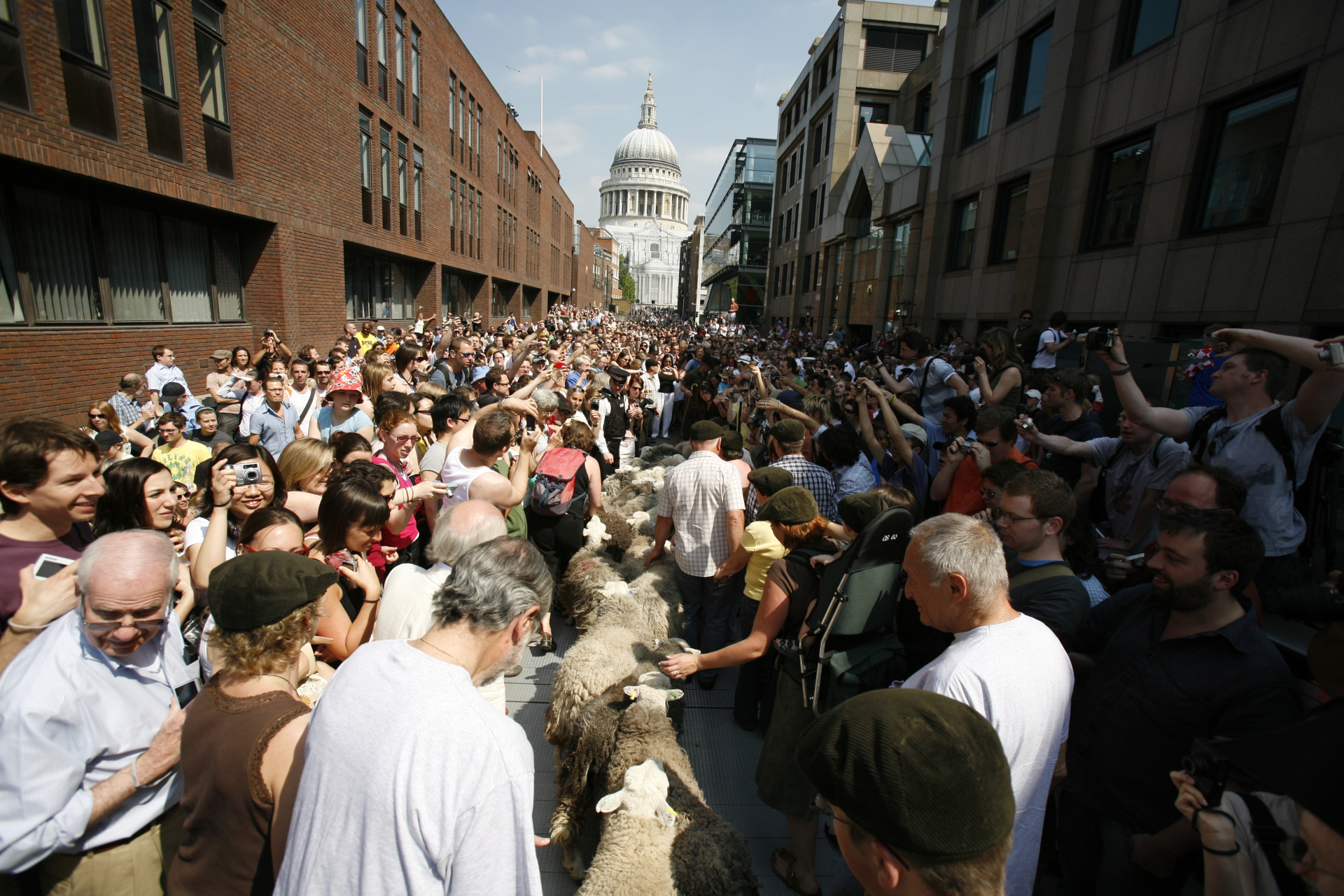
For the second edition of the Festival, the 8 day programme explored the notion of ‘change’, celebrating both the transience and consistency of London life, and examining the junction of rural and urban. Moving from one hub in Clerkenwell to include ‘routes’ across the city (with Clerkenwell still as the epicentre), central London was animated with events including  the famous 60 sheep drive across Millennium Bridge into the heart of the City of London, surrounded by over 15,000 Londoners.

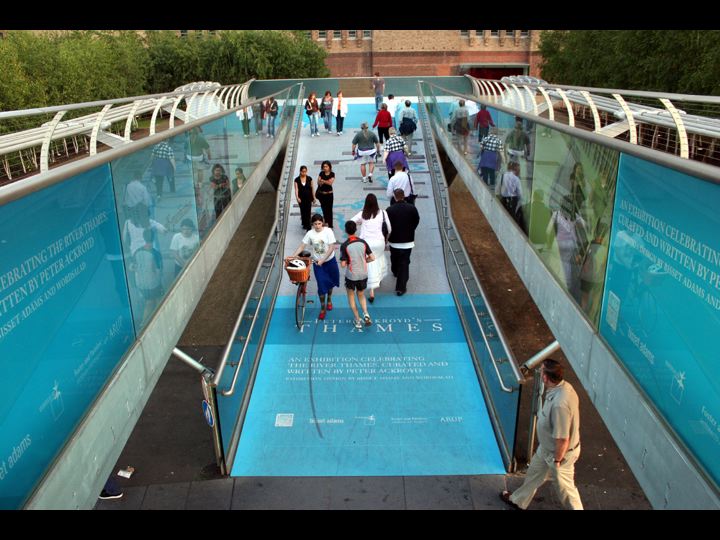
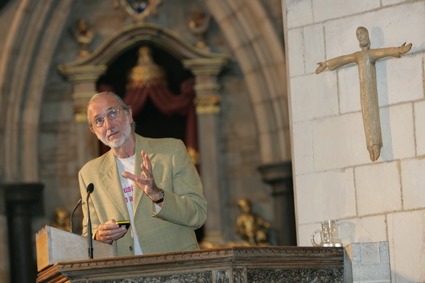
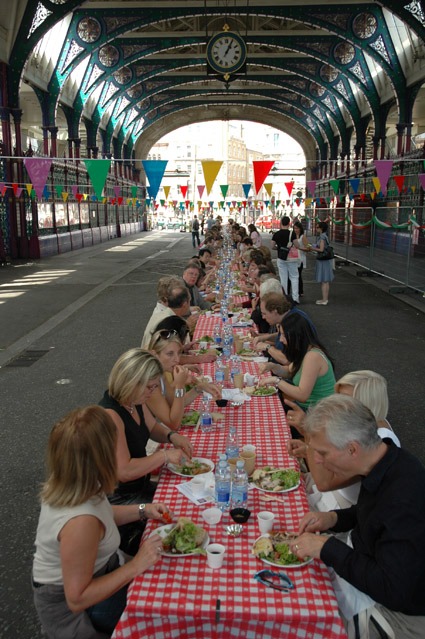
Highlights included the London’s Big Brainstorm – which incorporated ideas from various London thinkers including Foreign Office Architects, Alain de Botton, Robert Elms and Nigel Coates and Festival visitors alike,  included an area with blank postcards to be filled in by visitors with their comments. The whole exhibition was on tracks which allowed for the exhibits to move creating a big storm’ of ideas, an exhibition on the history of the River Thames displayed on the Millennium Bridge, a sermon by Renzo Piano at Southwark Cathedral, the LAB Big Debate on Tall Buildings at the Barbican and The Blueprint Big Breakfast series at Smiths of Smithfield.
2006 Change
2006 Change
2006 Change
2006 Change

LFA2006: Key Projects

2006 Change

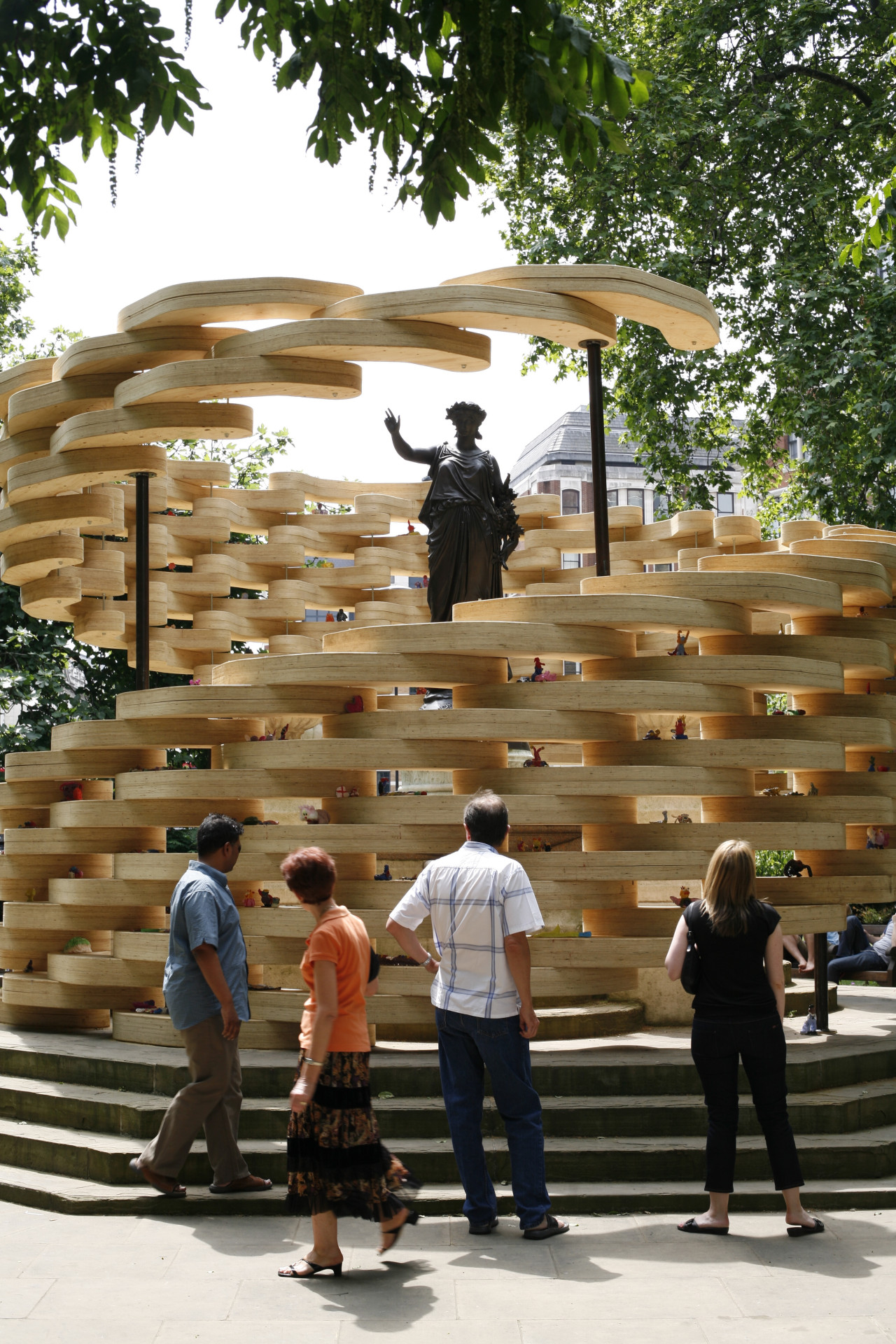
140 Boomerangs

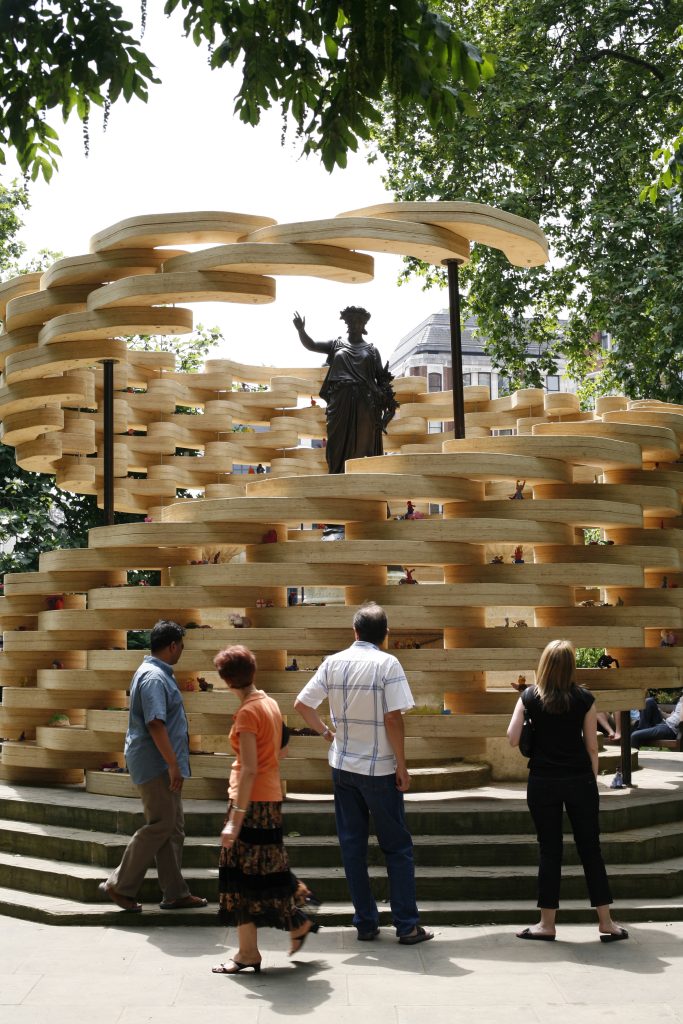
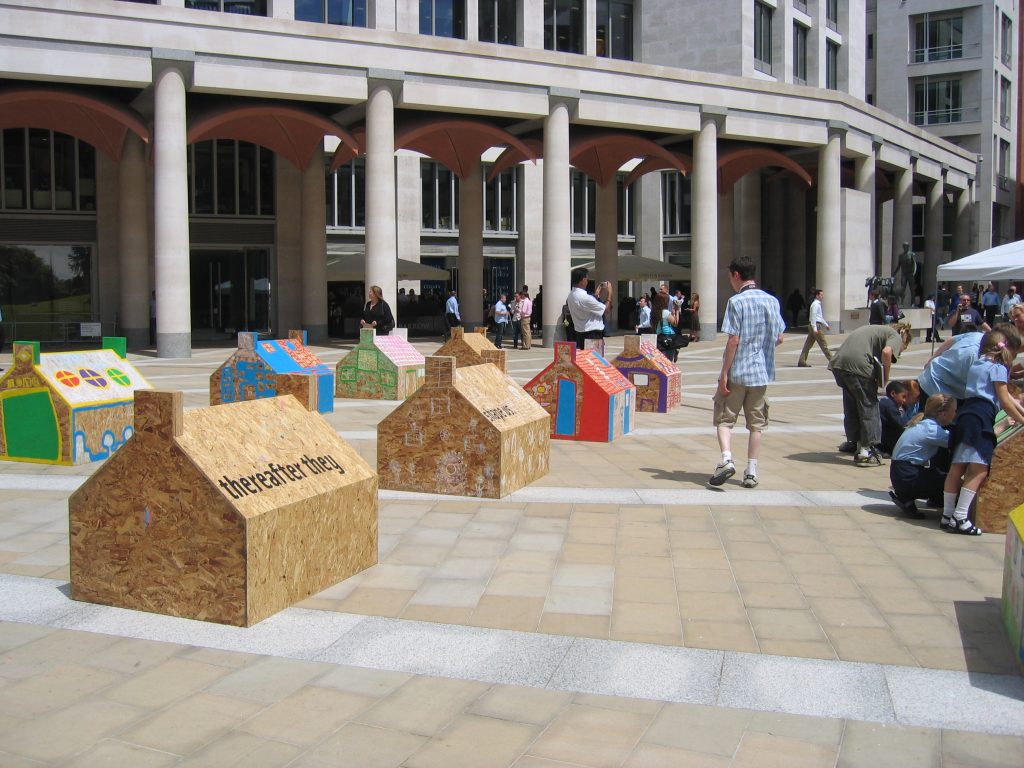
A modular installation, made up of 140 boomerangs, this project activated West Smithfield in the City of London during June 2006 and rethought how the space used as a space of culture and joy. The installation could be assembled in various forms ...

Read more
2006 Change

Railings exhibitions

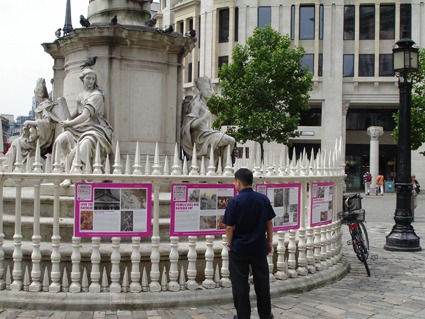
A series of railings exhibitions set up along a route from Southwark to King's Cross, alongside a connected map allowed members of the public to navigate this mini exhibitions encouraged people to engage with the surrounding urban envi...

Read more
2006 Change

Big London Brainstorm

The Big London Brainstorm, curated by Tom Dyckhoff, was a chance for anyone interested in London's built environment to come together and consider solutions for development and futureproofing. The exhibition, designed by Piercy Conner,...

Read more
2006 Change

Transition – the Thames exhibition

This exhibition, installed across Millennium Bridge, explored the history of bridges in London - from mysterious ties to crime and unknown stories, to their royal significance. The exhibition was created by Peter Ackroyd, Bisset Adams,...

Read more
2006 Change

National Student Festival

The Student Festival involved students from architecture and urban environment and higher education courses across the UK working with children from schools in the biennale boroughs of Camden, Islington, the City of London and Southwar...

Read more
2006 Change

Renzo Piano sermon

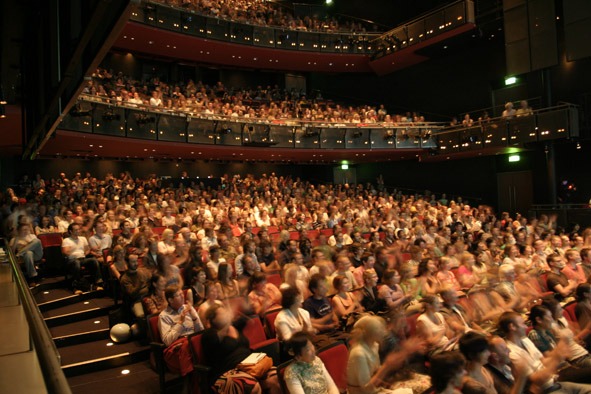
Internationally acclaimed Italian architect Renzo Piano gave a talk - or 'sermon' - at to kick off the 2006 Festival. Declaring his love for Southwark, Piano spoke about architecture as a struggle between practicality and spirituality,...

Read more
2006 Change

Sheep drive

Following the success of the cattle drive that opened the 2004 Biennale, 6o sheep were driven between the bustling Borough food market and the reinstated historic St Bartholomew's Fair, across Millennium Bridge and led by Richard Roger...

Read more
2006 Change

St Bartholomew Fair

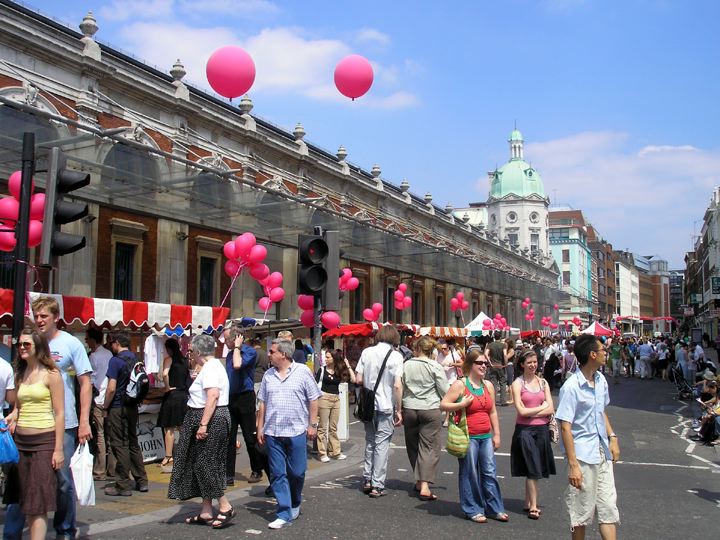
Following the iconic Sheep Drive across Millenium Bridge, Smithfield hosted a re-creation of the ancient St Bartholomew Fair, with the animals spending the day in their own architect-designed pen in the shadows of St Bartholomew's Hosp...

Read more
2006 Change

Passeggiatas

Two Passeggiatas were held on the closing weekend of the Festival. The two sold out tours included a gastronomic tour of the Biennale walk route: breakfast at Borough Market, lunch in Smithfield Market, ice cream at St John Square, bis...

Read more
2006 Change

Architecture film programme

During June 2006, the Festival team launched the 'Architecture film programme' at the Barbican, bringing Architecture to a wider, outside the industry audience. Now run by the Architecture Foundation, this was the first time architecture had been...

Read more